
This Ravioli Cacio e Pepe is made with Pecorino Romano cheese, black pepper, and cheese ravioli for a flavorful dish that comes together in about 15 minutes. Pecorino Romano is a bright and zingy cheese, which turns into a velvety sauce that coats the ravioli.
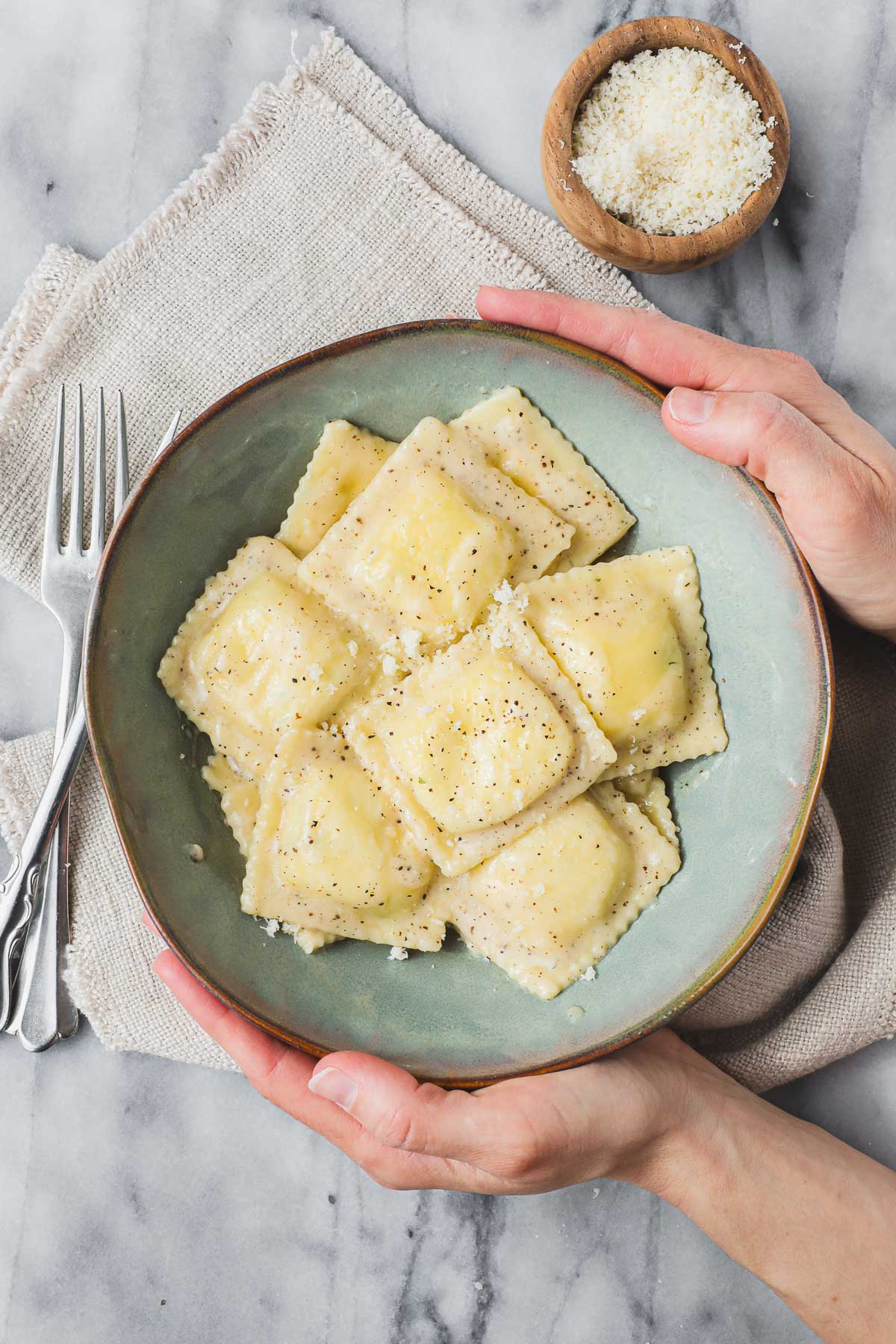
Great for a quick dinner alongside a salad or a late night snack. Rather than spaghetti or bucatini, I use ravioli, which is a little more substantial.
Cacio e Pepe translates to cheese and pepper, but these two simple ingredients really shine when combined into a creamy, glossy sauce on pasta.
Recipe Testing
Cacio e Pepe is traditionally made with Pecorino Romano, though some people recommend half Pecorino Romano and half Parmesan cheese.
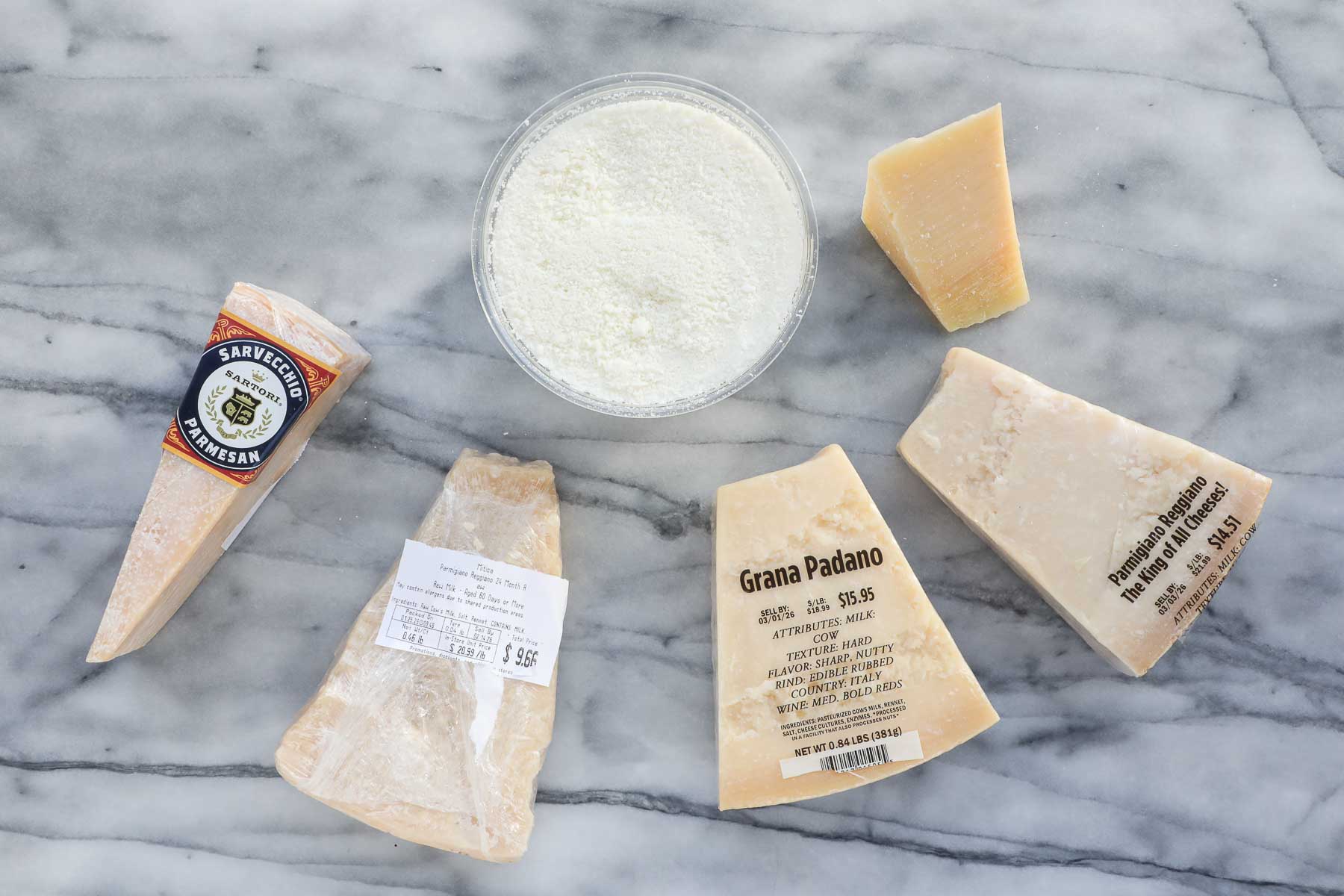
To be sure that I had the best understanding of each of these ingredients, I tested this recipe with the following variations:
- Pecorino Romano: Made with sheep’s milk, using 100% Pecorino Romano gives you a more dance-in-your-mouth, bright, intense, and salty flavor. This is my preference.
- Parmigiano Reggiano (parmesan): Made with cow’s milk, this has a milder flavor. Blending 50-50 with Pecorino Romano gives you a milder tasting dish that is still satisfying and may be kids’ preference.
- Grana Padano: Made with cow’s milk, this is similar to, but even milder than Parmesan cheese. I was curious to try it because I love bubbly focaccia topped with grated Grana Padano cheese. However, it is too bland for Cacio e Pepe.
Ingredients and Variations
Below are the ingredients needed to make Ravioli Cacio e Pepe.
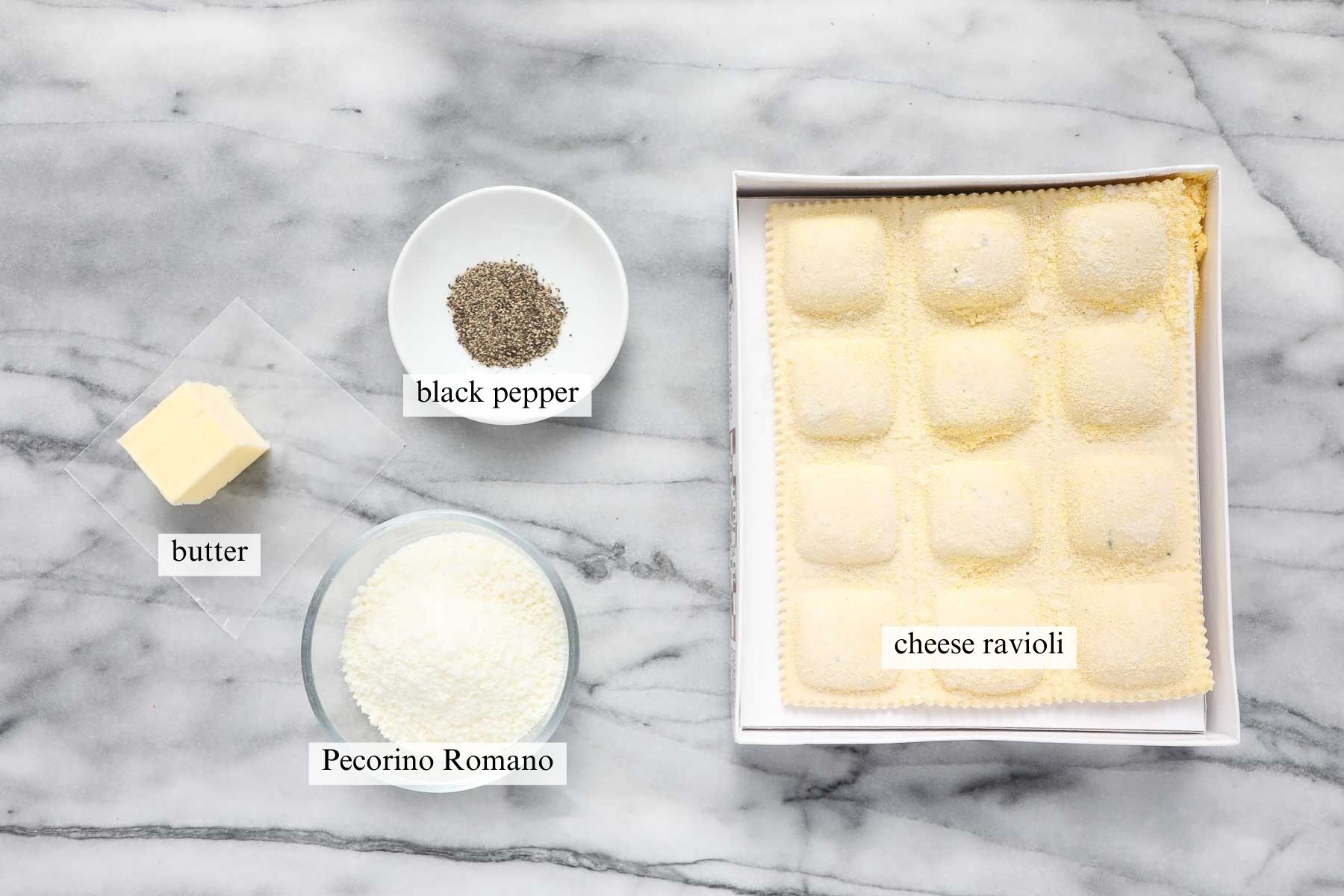
- Butter: I use salted butter, but the cheese is plenty salty, so unsalted butter works too.
- Black Pepper: I use a medium-ground black pepper from Simply Organics. If you’re using finely ground black pepper, err on the side of less. If you’re using large, coarsely ground black pepper, err on the side of more.
- Cheese Ravioli: The Cacio e Pepe sauce pairs really well with cheese ravioli, but other types of ravioli may work well, too.
- Pecorino Romano Cheese: This can be harder to track down than Parmesan cheese, but it is well worth it, and the taste is quite distinct. I’ve found it at a local Italian grocery store, but you may be able to find it at Costco or other wholesale stores.
See the recipe card for full information on ingredients and quantities.
How to Make Ravioli Cacio e Pepe
Below are the step-by-step instructions and photos for how to make Raviolio Cacio e Pepe.
*Note: The recipe card with instructions, ingredient list, and quantities is included further below these step-by-step photos.
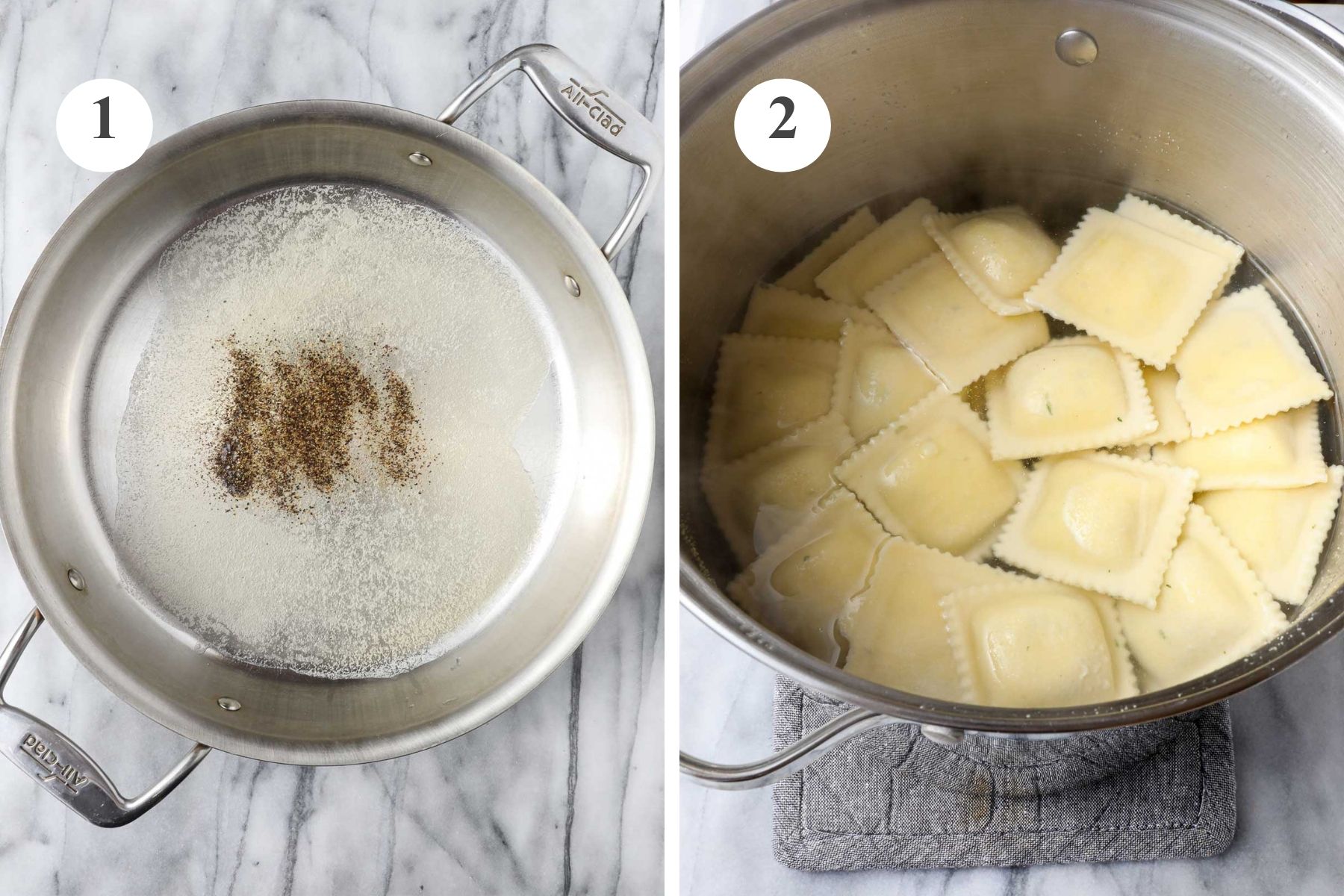
Step 1. Melt Butter and Bloom Black Pepper: Bring a large sauté pan to medium-low heat. Add the butter and allow it to melt. Add the black pepper and stir gently for 1 minute. Remove the pan from the heat. Keep the pan off the heat for the duration of the recipe.
Step 2. Cook the Ravioli: Bring a large pot of water to a boil and cook the ravioli according to the package directions. This is typically something in the range of 3-5 minutes for fresh ravioli, 6-8 minutes for frozen ravioli. Err on the side of cooking the ravioli less, for an al dente texture that finishes briefly in the pan.

Step 3. Add Pasta Water and Cheese: Use a slotted spoon or sieve to remove the ravioli from the pot and transfer it to the sauté pan with the melted butter. Do not drain the pasta water. Add ¼ cup of the pasta water to the sauté pan along with half of the Pecorino Romano cheese. Toss to coat the ravioli. The cheese will melt and emulsify into a sauce in the hot starchy pasta water.
Step 4. Add Remaining Pasta Water and Cheese: Add an additional 2 tablespoons of the hot pasta water (this is half of a quarter cup) and the remaining cheese. Toss to coat. It should form a smooth and glossy sauce. Taste and adjust, adding a little more pasta water if needed, but work quickly.
For the best flavor and sauce consistency, serve immediately, before the dish has a chance to cool.
Tips for the Best Cacio e Pepe:
- Freshly Grated Pecorino Romano: If possible, buy a block or wedge of Pecorino Romano and grate it finely by hand. This will help the cheese blend with the pasta water into a sauce.
- Black Pepper: For a milder flavor, use ½ teaspoon ground black pepper. For a stronger flavor, use 1 teaspoon ground black pepper.
- Don't Drain the Pasta Water: Rather than draining the pasta water, use a slotted spoon or sieve to remove the ravioli from the hot water and transfer to the sauté pan. This little bit of extra hot pasta water that transfers with the ravioli helps with the sauce.
- Work Quickly: Once you start to add the pasta water and the cheese, work quickly to ensure that the hot water melts and blends with the cheese so that you get a smooth-textured sauce.
- Add the Pecorino Romano and Hot Water Off the Heat: Ensure that the sauté pan with the melted butter and black pepper has been removed from the heat. The hot water is enough to melt the sauce. If the pan is hot, the cheese may clump rather than emulsify into a sauce.
- Be Mindful of Surface Area: If you’re using a large sauté pan, the hot starchy pasta water will evaporate more quickly than if you are using a sauté pan with less surface area. You may need slightly less hot pasta water in a smaller pan. I’ve done this side by side with two different-sized pans and needed a different amount of pasta water for each pan.
For More Italian Dishes You May Love:
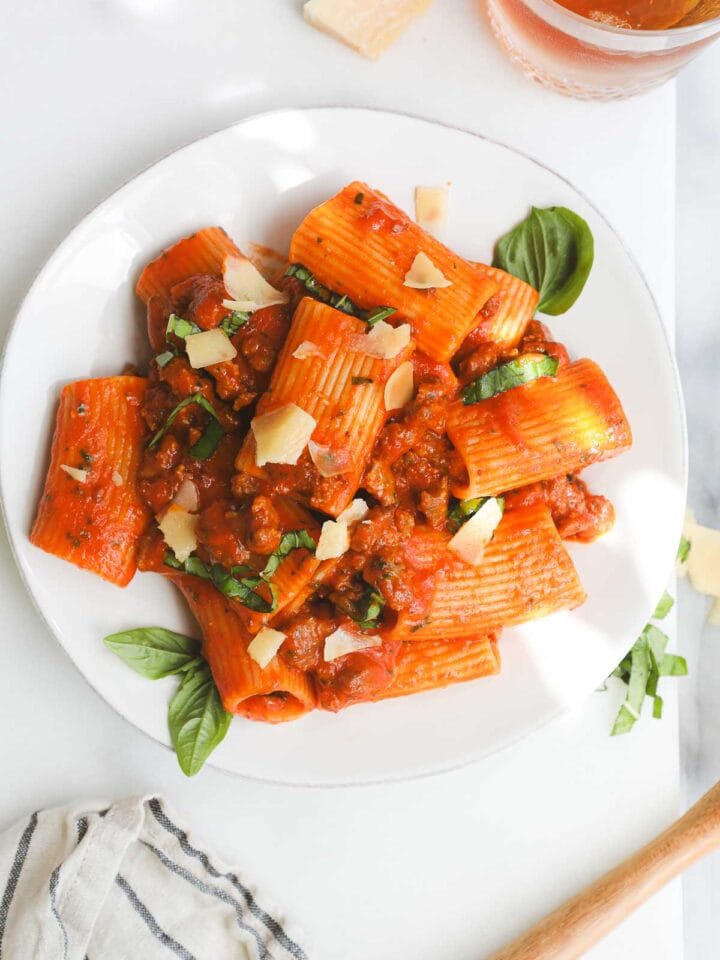

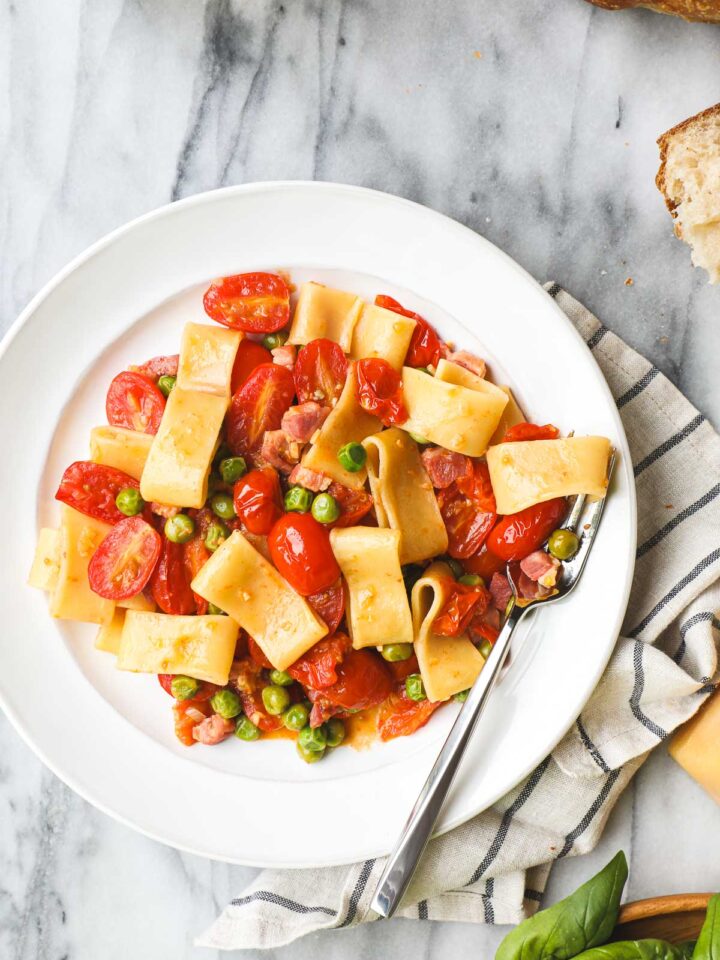

If you make this Ravioli Cacio e Pepe or any other recipe on my site, please leave a 🌟 star rating and let me know how it went in the 📝 comments below. I'd love to hear from you!

Ravioli Cacio e Pepe
Ingredients
- 2 tablespoon butter
- ½-1 teaspoon black pepper medium ground
- 14-16 oz cheese ravioli
- ¼ cup + 2 tbsp pasta water
- 2 oz Pecorino Ramano cheese ½ cup finely grated
Instructions
- Bring a large sauté pan to medium-low heat. Add the butter and gently stir to melt. Add the black pepper, stir for about 1 minute to allow the pepper to bloom. Remove the pan from the heat. The pan will continue to stay off the heat for the duration of the recipe (even when adding the ravioli).
- Bring a large pot of water to a boil. Cook the ravioli according to the package directions. This is typically in the range of 3-5 minutes for fresh ravioli and 6-8 minutes for frozen ravioli. Err on the side of cooking the ravioli less for an al dente texture that finishes briefly in the pan.
- Use a slotted spoon to carefully remove the ravioli from the pot of boiling water and add them to the sauté pan with the melted butter and black pepper. Do not drain the pasta water.
- Add ¼ cup of the pasta water to the sauté pan with the ravioli, along with half of the grated Pecorino Romano cheese, and toss. Add an additional 2 tablespoons of the pasta water (for easy measuring, 2 tablespoons = half of a ¼ cup), and the remaining Pecorino Romano cheese. Toss to coat. It should form a smooth and glossy sauce. *If needed (depending on the size of your ravioli or the size of the pan), add a little more pasta water, but work quickly.For the best flavor and sauce consistency, serve immediately, before the dish has a chance to cool.
Notes
- Freshly Grated Pecorino Romano: If possible, buy a block or wedge of Pecorino Romano and grate it finely by hand. This will help the cheese blend with the pasta water into a sauce.
- Black Pepper: For a milder flavor, use ½ teaspoon ground black pepper. For a stronger flavor, use 1 teaspoon ground black pepper.
- Don't Drain the Pasta Water: Rather than draining the pasta water, use a slotted spoon or sieve to remove the ravioli from the hot water and transfer to the sauté pan. This little bit of extra hot pasta water that transfers with the ravioli helps with the sauce.
- Work Quickly: Once you start to add the pasta water and the cheese, work quickly to ensure that the hot water melts and blends with the cheese so that you get a smooth-textured sauce.
- Add the Pecorino Romano and Hot Water Off the Heat: Ensure that the sauté pan with the melted butter and black pepper has been removed from the heat. The hot water is enough to melt the sauce. If the pan is hot, the cheese may clump rather than emulsify into a sauce.
- Be Mindful of Surface Area: If you’re using a large sauté pan, the hot starchy pasta water will evaporate more quickly than if you are using a sauté pan with less surface area. You may need slightly less hot pasta water in a smaller pan. I’ve done this side by side with two different-sized pans and needed a different amount of pasta water for each pan.
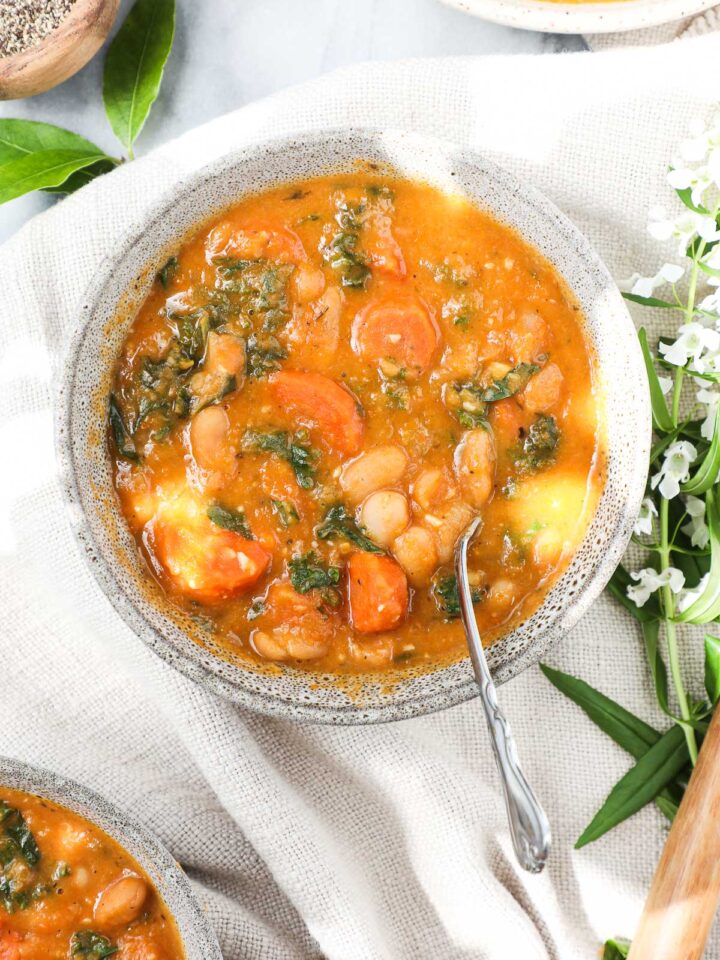
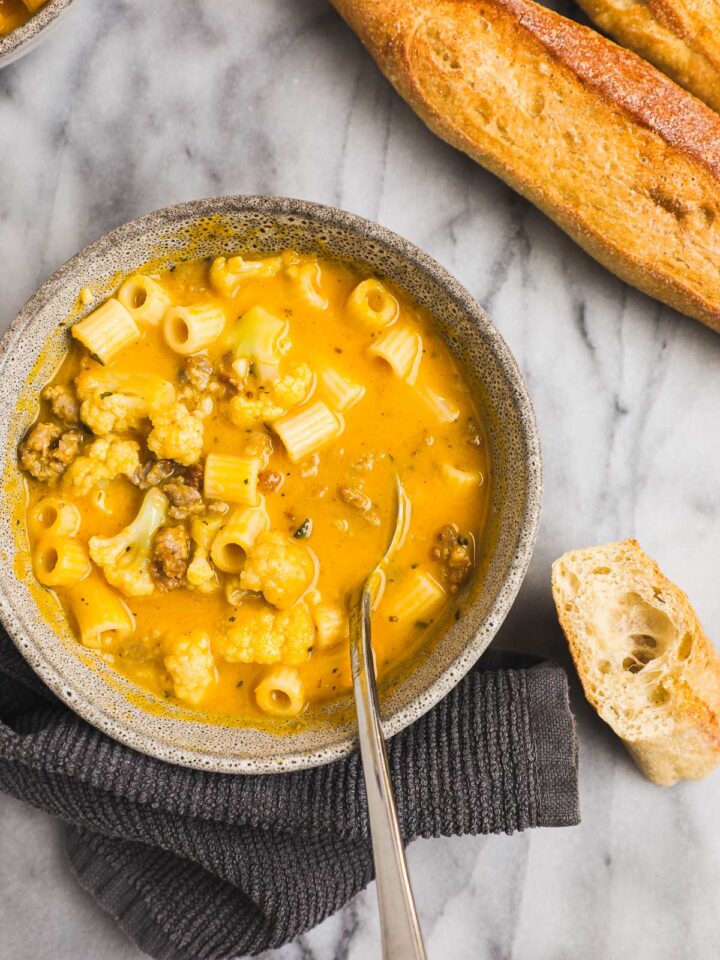

Leave a Reply